In-Person

Nursing

Remote video URL
105431
AAS
66.00

Have you ever thought about becoming the heartbeat of a healthcare team? That's exactly what you'll be as a registered nurse (RN)! Our program isn't just about teaching you the nuts and bolts of nursing; it's about turning you into a leader in healthcare. Imagine combining knowledge from social, mathematical, and physical sciences with pharmacology and pathophysiology to make crucial clinical decisions. That's what you'll learn here.

Communication is key in nursing, and you'll become an expert at it. You'll also learn how to work effectively with others and use available resources to help patients maintain, regain, and improve their health. Think about mastering the art of critical thinking and problem-solving using the nursing process. It's not just about following procedures; it's about leading with compassion, respect, and cultural sensitivity.

Nurses are in high demand in all sorts of care settings, so your skills will be sought after. Plus, to ensure you're fully prepared, all registered nurses must pass a national exam to practice. Our graduates have consistently aced this exam compared to other programs nationwide. So, if you're ready to step into a career that's both challenging and rewarding, where you can truly make a difference, our RN program is the perfect place to start your journey.

You will enhance your clinical skills through hands-on, high-fidelity simulations in our cutting-edge Simulation and Extended Reality (XR) Labs, where you’ll practice patient care in lifelike scenarios. Learn more about our Simulation and XR Labs.

Due to program demand and Wisconsin laws relating to admissions residency requirements, this program is currently not accepting out-of-state applications at this time unless the state has a reciprocity agreement. Minnesota applicants will be accepted based on the current reciprocity agreement.

Transfer Student Admission Review: All transfer student applications to the Nursing Program are reviewed on an individual, case-by-case basis. Admission decisions are based on a comprehensive evaluation of prior coursework, academic performance, program capacity, and clinical placement availability. Final approval of transfer admissions is made by the Associate Dean of Nursing to ensure alignment with program requirements, accreditation standards, and student success expectations.

To view the Nursing program’s required disclosure on professional licensure, please click here (PDF).

$11,076
Location
La Crosse
Location
Black River Falls
Location
Mauston

Previous education and work experience could qualify for Credit for Prior Learning, saving you time and money. Find out more about what may apply to this program.

Graduates - 200
Graduates Responding - 68
Employed In Related Occupation - 63
Employed In Non-related Occupations - 0
Seeking Employment - 4
Continuing Education - 1
Not In Labor Market - 0
Graduates Responding Employed Part Time in Related Occupation - 20
PT Average Hours per Week - 27
PT Median Hourly Wage - $37.00
PT Hourly Wage Range - $30.00 - $39.00
PT Median Annual Salary - $51,000
Graduates Responding Employed Full Time in Related Occupation - 37
FT Average Hours per Week - 38
FT Median Hourly Wage - $37.00
FT Hourly Wage Range - $26.00 - $45.00
FT Median Annual Salary - $72,500
Related Occupations - ER Nurse, Gundersen Health System, House Supervisor RN, LPN, Nurse Manager, Registered Nurse (RN)

Additional Requirements

  • These Academic Preparedness Requirements must be complete to be admitted to the Nursing program core courses:

    • High School or GED/HSED Transcript
    • 1 year of High School Chemistry OR 3 credits of College Chemistry OR Developmental Chemistry*  
    • Strengths Seminar                                              
    • English Composition I*  
    • Speech OR Oral/Interpersonal Communications*
    • Developmental Psychology*  
    • Introduction to Psychology*                                                                        
    • Intro to Sociology*                                          
    • General Anatomy & Physiology*                                               
    • Advanced Anatomy & Physiology*                                                      
    • Microbiology*
    • Nursing Assistant Course Completion or proof of CNA certification
    • HESI A2 Exam with a cumulative score of 75% or better
    • Technical Standards Signature Form
    • Viewpoint Screening Background Check (PDF)

*Must be completed with a "C" or better

Viewpoint Screening Health Portal (PDF) must be completed after being selected to start core Nursing courses.

Additional Admissions Information

  • After admission to the college, you will be considered a pre-core nursing student. Admission to core classes in the Nursing program is based on application date and successful completion of the academic preparedness requirements for the program. Students are able to apply for financial aid and take general education courses to meet academic preparedness requirements as a pre-core nursing student. There is an estimated wait time of approximately 5-6 terms between admission to the college and beginning core Nursing courses.
  • Evaluation to determine those that have met all program admissions requirements will take place on the following dates. Students will be notified through their Western student email if selected for the next cohort to start core Nursing program courses.
    • February 16, 2026 for summer term
    • June 15, 2026 for fall term

Most of Western’s classes require the use of a personal computer or laptop, standard software, internet access, and other technology-related items.

If you do not have a personal computer or laptop, or if the one you have does not meet the following criteria, resources may be available. Submit a Student Resource Request using our online form.

Computer/Laptop Hardware

  • Smartphones are not recommended for completing assignments.
  • Chromebooks are not recommended due to issues with installing software that is needed for classes, such as Office 365.
  • Web camera with microphone (usually built into newer laptops or can be purchased separately) is necessary for online participation.

Software Needs

For detailed specifications, please review Technology and Software Recommendations for Most Classes on Western’s IT Knowledgebase.

Campus Resources

Need Assistance?

  • Contact the Learning Commons! The staff are happy to answer questions, provide individualized assistance, and direct you to other supports as needed.

Registered Nurse

The Associate Degree Nursing Program at Western Technical College located in La Crosse Wisconsin is accredited by the:

Accreditation Commission for Education in Nursing (ACEN)

3390 Peachtree Road NE, Suite 1400 Atlanta, GA 30326
404-975-5000

The most recent accreditation decision made by the ACEN Board of Commissioners for the Associate Degree Nursing program at Western Technical College is Continuing Accreditation. View the public information disclosed by the ACEN regarding this program at https://www.acenursing.org/search-programs

Image
ACEN logo.
  • Integrate professional nursing identity reflecting integrity, responsibility, and nursing standards
  • Communicate comprehensive information using multiple sources in nursing practice
  • Integrate theoretical knowledge to support decision making
  • Integrate the nursing process into patient care across diverse populations
  • Function as a healthcare team member to provide safe and effective care

Our Health and Public Safety programs are required to report additional information to prospective students, including certification exams, licensure, program completion rates, etc. You can find this information in the documents below:

Program Contact

Briannna Rozmenoski (last names A-K)
608-785-9078
rozmenoskib@westerntc.edu

Elliot Knoke (last names L-Z)
608-785-9842
knokee@westerntc.edu

This program is part of a career pathway, a laddered approach to career education. It allows you to earn employer-recognized credentials that lead to job and career advancement.

1
icon - in-person learning format
In-Person
icon - calendar
Fall
Start
icon - calendar
Spring
Start
icon - calendar
Summer
Start

Other Programs in This Area of Interest

Western offers a wide range of Health Sciences programs designed to fit your interests and career aspirations and prepare you for a variety of healthcare settings.

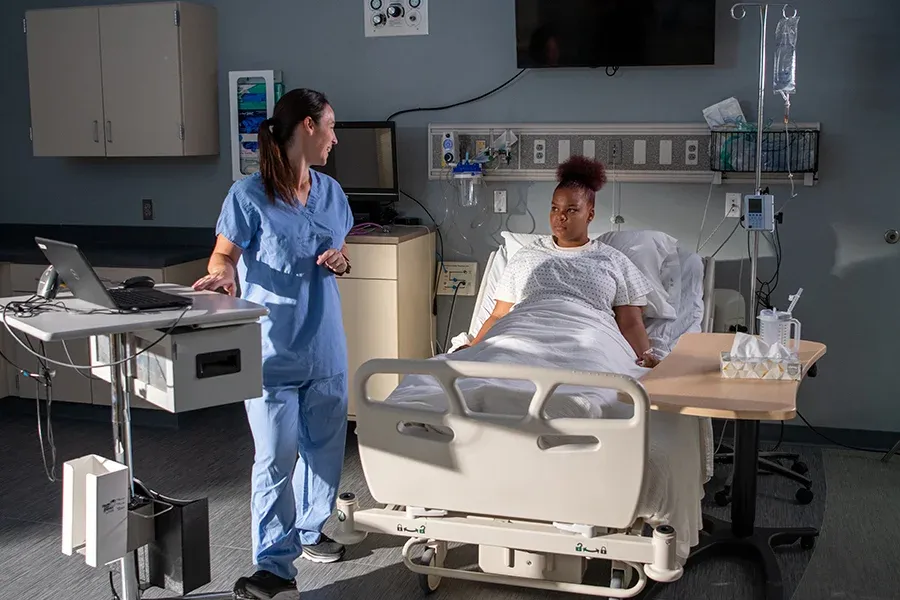
Nursing student looking at patient in hospital bed
Is New Program
Off

Paramedic Technician

Remote video URL
105311
AAS
62.00

Can you respond to life or death situations in a calm and controlled manner? As a paramedic technician, you'd be first on the scene to provide critical care to the ill or injured. You need to be able to work independently, make decisions quickly and, most of all, be trained to use advanced lifesaving techniques in emergency situations. Through classroom instruction and valuable field experience, this associate degree program will provide you with the skills you need to work for ambulance services, fire departments, police departments, or hospitals.

The Paramedic program's minimum expectation is to prepare Paramedics who are competent in the cognitive (knowledge), psychomotor (skills), and affective (behavior) learning domains to enter the profession.

The Paramedic Program core courses are held at the Sparta Public Safety Training Facility in Sparta, Wisconsin.

$10,405
Location
Sparta

Previous education and work experience could qualify for Credit for Prior Learning, saving you time and money. Find out more about what may apply to this program.

Graduates - 13
Graduates Responding - 7
Employed In Related Occupation - 5
Employed In Non-related Occupations - 0
Seeking Employment - 0
Continuing Education - 2
Not In Labor Market - 0
Graduates Responding Employed Part Time in Related Occupation - 0
Graduates Responding Employed Full Time in Related Occupation - 5
FT Average Hours per Week - 51
FT Median Hourly Wage - $22.00
FT Hourly Wage Range - $16.50 - $27.00
FT Median Annual Salary - $79,000
Related Occupations - Paramedic

Additional Requirements

  • To enroll in the Paramedic Technician program, first apply for admission to the College, then electronically sign the program's Technical Standards, complete a background check, provide proof of immunization (including a TB Test), complete American Heart Association Healthcare Provider CPR certification, and read and return a signed copy of the supplemental information document. You can find links to these document below. In addition, you must complete the prerequisites to General Anatomy and Physiology with a grade of “C” or better and hold a Wisconsin EMT-Basic or Advanced License. Please see the details below.
  • The Paramedic Technician program follows Western's policies regarding the Transfer of Credits and Credit for Prior Learning. 

Most of Western’s classes require the use of a personal computer or laptop, standard software, internet access, and other technology-related items.

If you do not have a personal computer or laptop, or if the one you have does not meet the following criteria, resources may be available. Submit a Student Resource Request using our online form.

Computer/Laptop Hardware

  • Smartphones are not recommended for completing assignments.
  • Chromebooks are not recommended due to issues with installing software that is needed for classes, such as Office 365.
  • Web camera with microphone (usually built into newer laptops or can be purchased separately) is necessary for online participation.

Software Needs

For detailed specifications, please review Technology and Software Recommendations for Most Classes on Western’s IT Knowledgebase.

Campus Resources

Need Assistance?

  • Contact the Learning Commons! The staff are happy to answer questions, provide individualized assistance, and direct you to other supports as needed.

Paramedic

EMT-Paramedic

Firefighter/Paramedic

The Western Technical College Paramedic Technician program is accredited by the Commission on Accreditation of Allied Health Education Programs (www.caahep.org) upon the recommendation of the Committee on Accreditation of Educational Programs for the Emergency Medical Services Professions (CoAEMSP).

View the most current CoAEMSP Annual Report, including Paramedic program outcomes.

Commission on Accreditation of Allied Health Education Programs
9355 – 113th Street North, #7709
Seminole, FL  33775
727-210-2350
www.caahep.org

To contact CoAEMSP:
214-703-8445
FAX 214-703-8992
www.coaemsp.org

  • Prepare for incident response and EMS operations
  • Integrate pathophysiological principles and assessment findings to provide appropriate patient care
  • Demonstrate paramedic skills associated with established standards and procedures for a variety of patient encounters
  • Communicate effectively with others
  • Demonstrate professional behavior
  • Meet state and national competencies listed for paramedic certification(s)

Our Health and Public Safety programs are required to report additional information to prospective students, including certification exams, licensure, program completion rates, etc. You can find this information in the document below:

Western Technical College is accredited by the Higher Learning Commission (HLC). For more information, see our Performance Excellence and Accreditation page.

Program Contact

Debra Slaby
Program Chair, Paramedic Technician
SlabyD@westerntc.edu
608-789-4761

This program is part of a career pathway, a laddered approach to career education. It allows you to earn employer-recognized credentials that lead to job and career advancement.
1
icon - in-person learning format
In-Person
icon - calendar
Fall
Start

Other Programs in This Area of Interest

This Area of Interest is for those who want to learn to protect people, respond in emergency situations, and make a difference in the community.

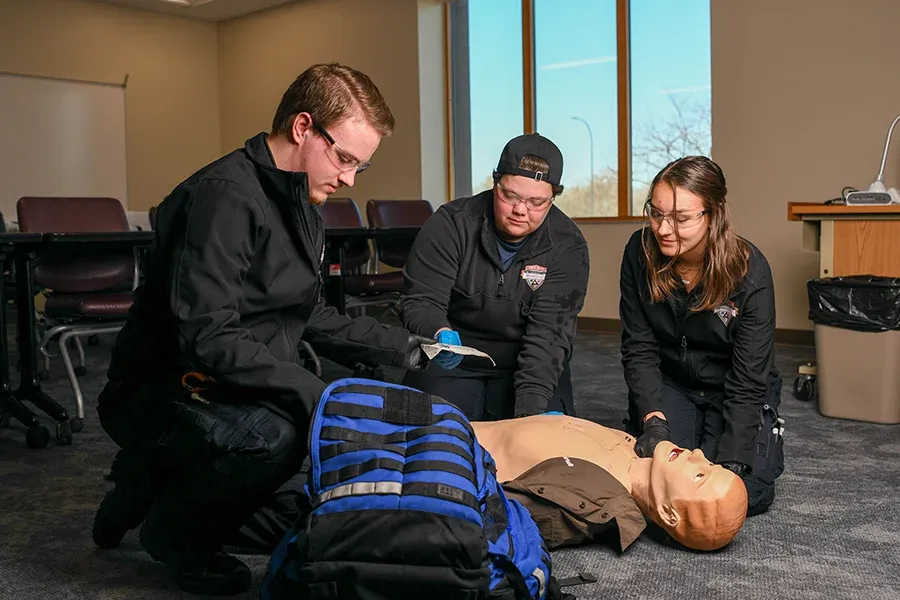
Students practicing on training doll in classroom
Is New Program
Off

Radiography

Remote video URL
105261
AAS
63.00

Radiographers play an important role in the care of individuals who are ill or injured. Their primary responsibility is to ensure that diagnostic images are of the highest quality, enabling the medical team to make precise diagnoses and provide appropriate patient treatment.

In Western's program, you will gain a deep understanding of the impact of radiation on the human body, acquire the skills to accurately position patients, determine the optimal exposure settings, and learn how to safeguard both yourself and your patients from the effects of radiation.

Core classes are conducted in classroom and laboratory settings, with a strong emphasis on hands-on clinical experience within a healthcare environment. We offer classes in various formats, including traditional face-to-face, online, and blended, to accommodate your preferred learning style and schedule.

Program-specific courses are held in the Health Science Center, a shared facility located a few blocks from the La Crosse main campus. Check our maps page for specific location information.

Due to program demand and Wisconsin laws relating to admissions residency requirements, this program is currently not accepting out-of-state applications at this time unless the state has a reciprocity agreement.  Minnesota applicants will be accepted based on the current reciprocity agreement.

For more information, view the Radiography program's effectiveness data (PDF) and required disclosure on professional licensure (PDF).

$10,573
Location
La Crosse

Previous education and work experience could qualify for Credit for Prior Learning, saving you time and money. Find out more about what may apply to this program.

Graduates - 31
Graduates Responding - 21
Employed In Related Occupation - 20
Employed In Non-related Occupations - 1
Seeking Employment - 0
Continuing Education - 0
Not In Labor Market - 0
Graduates Responding Employed Part Time in Related Occupation - 2
PT Average Hours per Week - 32
PT Median Hourly Wage - $32.76
PT Hourly Wage Range - $32.00 - $33.53
Graduates Responding Employed Full Time in Related Occupation - 18
FT Average Hours per Week - 40
FT Median Hourly Wage - $29.20
FT Hourly Wage Range - $26.83 - $35.61
Related Occupations - CT Technologist, Interventional Raiology Technologist, Mobile Mammography Tech, Multimodality Technologist, Radiographic Technologist, Radiologic Technologist, Vascular Interventional Radiologic Techn, X-Ray & Lab Tech

Additional Requirements

  • These Academic Preparedness Requirements must be complete to be admitted to the Radiography program core courses:
    • High School or GED/HSED Transcript
    • Radiography Technical Standards Form
    • Background Check
    • Complete one year of High School or one term of Developmental or College Biology*
    • Complete one year of High School or one term of Developmental or College Chemistry*
    • General Anatomy and Physiology*
      • *Must be completed with a "C" or better
  • If COVID vaccines are required by a clinical partner, you will be notified
  • After admission to the college, you will be considered a Pre-core Radiography student. Admission to core classes in the Radiography program is based on application date and successful completion of the academic preparedness requirements for the program. Students are able to apply for financial aid and take general education courses to meet academic preparedness requirements as a Radiography student. There is an estimated wait time of approximately 5-6 terms admission to the college before starting core courses.
  • Evaluation of pre-core Radiography students to determine those that have met all program admissions requirements will take place on the following dates. Students will be notified through their Western student email if selected for the next cohort to start core Radiography program courses.
    • December 18, 2025 for the fall term program start

Most of Western’s classes require the use of a personal computer or laptop, standard software, internet access, and other technology-related items.

If you do not have a personal computer or laptop, or if the one you have does not meet the following criteria, resources may be available. Submit a Student Resource Request using our online form.

Computer/Laptop Hardware

  • Smartphones are not recommended for completing assignments.
  • Chromebooks are not recommended due to issues with installing software that is needed for classes, such as Office 365.
  • Web camera with microphone (usually built into newer laptops or can be purchased separately) is necessary for online participation.

Software Needs

For detailed specifications, please review Technology and Software Recommendations for Most Classes on Western’s IT Knowledgebase.

Campus Resources

Need Assistance?

  • Contact the Learning Commons! The staff are happy to answer questions, provide individualized assistance, and direct you to other supports as needed.

Radiography Technologist

X-Ray Technologist

Radiology Technologist

Western’s Radiography program is accredited by the

Joint Review Committee on Education in Radiologic Technology
20 North Wacker Drive, Suite 2850
Chicago, IL 60606-3182
312-704-5300
Email: mail@jrcert.org 

The program’s current award is 8 years. General program accreditation information and the current accreditation award letter can be found here.

For more information about the JRCERT, please visit www.jrcert.org.

  • Carryout the production and evaluation of radiographic images
  • Practice radiation safety principles
  • Provide quality patient care
  • Model professional and ethical behavior consistent with the A.R.R.T. Code of Ethics
  • Apply critical thinking and problem-solving skills in the practice of diagnostic radiography

Our Health and Public Safety programs are required to report additional information to prospective students, including certification exams, licensure, program completion rates, etc. You can find this information in the documents below:

Program Contact

Kathryn Scriver
Program Chair, Radiography
608-785-9256
ScriverK@westerntc.edu 

This program is part of a career pathway, a laddered approach to career education. It allows you to earn employer-recognized credentials that lead to job and career advancement.

1
icon - in-person learning format
In-Person
icon - calendar
Fall
Start

Other Programs in This Area of Interest

Whether you dream of designing cutting-edge technology, maintaining advanced systems, or specializing in anything and everything computers, there's a program to equip you with the technical skills and real-world experience in STEM.

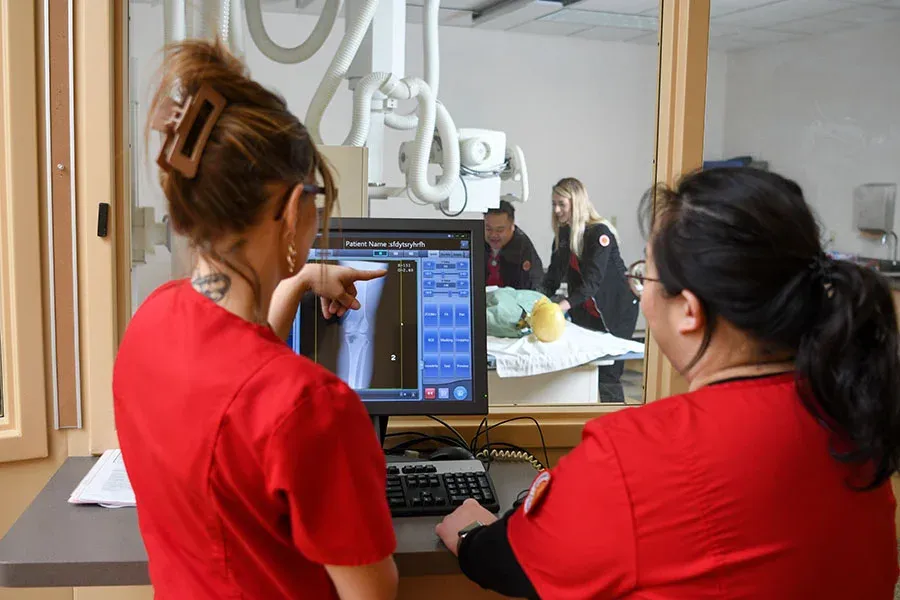
Students looking at bone on xray scan
Is New Program
Off

Physical Therapist Assistant

Remote video URL
105241
AAS
65.00

Western's Physical Therapist Assistant (PTA) program is both demanding and fulfilling. As a PTA, you'll use your knowledge and skills to enhance human health and functionality. You will achieve this by applying scientific principles to prevent, detect, evaluate, correct, or alleviate both sudden onset and prolonged movement dysfunctions.

To excel in this role, you must possess strong technical skills and the ability to collaborate with a variety people. Being organized and detail-oriented is essential, particularly when it comes to documenting the progress of your patients.

This degree will set you up for success in this high-skill career working effectively under the direction and supervision of licensed physical therapists.

Program-specific courses are held in the Health Science Center, a shared facility located a few blocks from the La Crosse main campus. Check our maps page for specific location information.

View Western’s Physical Therapist Assistant program’s Student Outcomes (PDF) and Financial Fact Sheet (PDF).

To view the Physical Therapist Assistant program’s required disclosure on professional licensure, please click here.

$10,908
Location
La Crosse

Previous education and work experience could qualify for Credit for Prior Learning, saving you time and money. Find out more about what may apply to this program.

Graduates - 18
Graduates Responding - 9
Employed In Related Occupation - 7
Employed In Non-related Occupations - 1
Seeking Employment - 1
Continuing Education - 0
Not In Labor Market - 0
Graduates Responding Employed Part Time in Related Occupation - 0
Graduates Responding Employed Full Time in Related Occupation - 7
FT Average Hours per Week - 39
FT Median Hourly Wage - $23.50
FT Hourly Wage Range - $20.00 - $28.00
Related Occupations - Early Intervention Specialist, Physical Therapist Assistant

Additional Requirements

  • These Academic Preparedness Requirements must be complete to be admitted to the Physical Therapy Assistant program core courses:
  • If COVID vaccines are required by a clinical partner, you will be notified.
  • After admission to the college, you will be considered a Pre-core Physical Therapy Assistant (PTA) student. Admission to core classes in the PTA program is based on application date and successful completion of the academic preparedness requirements for the program. Students are able to apply for financial aid and take general education courses to meet academic preparedness requirements as a Pre-core PTA student. There is an estimated wait time of approximately 3-6 terms after admission to the college before starting core courses.

Most of Western’s classes require the use of a personal computer or laptop, standard software, internet access, and other technology-related items.

If you do not have a personal computer or laptop, or if the one you have does not meet the following criteria, resources may be available. Submit a Student Resource Request using our online form.

Computer/Laptop Hardware

  • Smartphones are not recommended for completing assignments.
  • Chromebooks are not recommended due to issues with installing software that is needed for classes, such as Office 365.
  • Web camera with microphone (usually built into newer laptops or can be purchased separately) is necessary for online participation.

Software Needs

For detailed specifications, please review Technology and Software Recommendations for Most Classes on Western’s IT Knowledgebase.

Campus Resources

Need Assistance?

  • Contact the Learning Commons! The staff are happy to answer questions, provide individualized assistance, and direct you to other supports as needed.

Physical Therapy Assistant

The Physical Therapist Assistant Program at Western is accredited by:

Commission on Accreditation in Physical Therapy Education (CAPTE)

3030 Potomac Ave., Suite 100
Alexandria, Virginia 22305-3085
Phone: 703-706-3245
Email: accreditation@apta.org
Website: http://www.capteonline.org

If you need to contact the program/institution directly, please call 608-785-9598 or email berrys@westerntc.edu

CAPTE logo

  • Function under the direction and supervision of a physical therapist in a safe, legal, ethical manner consistent with professional standards and values to ensure the safety of patients, self, and others
  • Demonstrate clear and collaborative communication with patients, families, and health care team
  • Exhibit behaviors and conduct that optimize inclusive, equitable patient care and patient care environments in alignment with physical therapy practice standards
  • Produce documentation to support the delivery of physical therapy services
  • Demonstrate critical decision making to implement and modify treatment within a plan of care under the direction and supervision of a physical therapist
  • Perform data collection essential for carrying out the plan of care under the direction and supervision of the physical therapist
  • Perform technically competent, evidence-informed physical therapy interventions under the direction and supervision of the physical therapist
  • Educate patients, families, and other health providers incorporating cultural humility and social determinants of health
  • Integrate components of operational and fiscal practices of physical therapy service in a variety of settings
  • Implement a self-directed plan for career development, credentialing, service and leadership skills, and lifelong learning in an ever-changing health care environment

Our Health and Public Safety programs are required to report additional information to prospective students, including certification exams, licensure, program completion rates, etc. You can find this information in the documents below:

Program Contact

Shari Berry
Program Chair, Physical Therapist Assistant
608-785-9598
BerryS@westerntc.edu 

This program is part of a career pathway, a laddered approach to career education. It allows you to earn employer-recognized credentials that lead to job and career advancement.

1
icon - in-person learning format
In-Person
icon - calendar
Summer
Start

Other Programs in This Area of Interest

Western offers a wide range of Health Sciences programs designed to fit your interests and career aspirations and prepare you for a variety of healthcare settings.

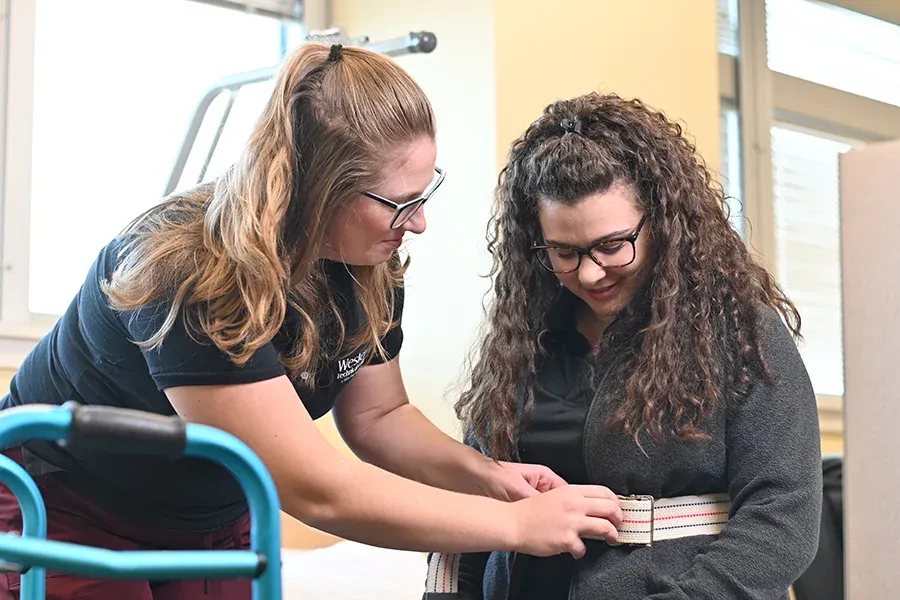
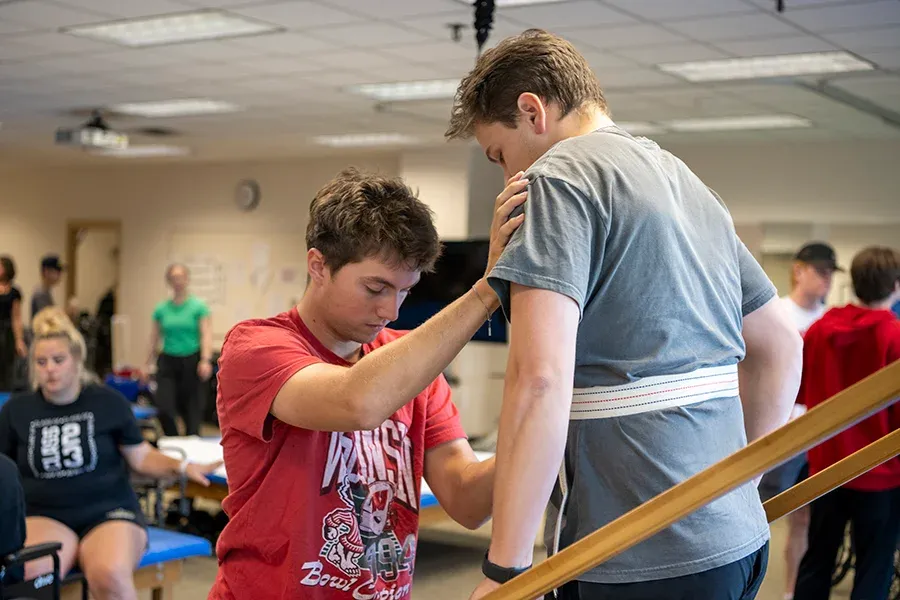
Two students practicing physical therapy exercises in class
Is New Program
Off

Human Services Associate

105203
AAS
62.00

Helping others is as much of a calling as it is a career choice. As a human services associate, you will provide crucial information, resources, support, and advocacy for those facing a wide range of challenges. Western's program combines classroom instruction and field experience activities to give you the skills necessary to assist diverse groups of youth and adults dealing with issues like poverty, discrimination, child abuse, homelessness, addictions, physical and mental health problems, and disabilities.

Graduates find employment opportunities in various agencies, including county human services, community-based organizations, residential treatment programs, and other settings dedicated to assisting individuals in need. Additionally, you have the option to pursue a bachelor degree in social work or related human service programs through Western's transfer opportunities.

Read our blog to find out more about this career in action: Human Services Associate: Bridging Gaps, Transforming Lives

This program has a fall and spring start in La Crosse. The spring term cohort runs in the evening with course sequences….start at the La Crosse and Tomah locations. In addition to the standard fall term start, this program has a spring term evening program with course sequences differing from those listed in the Explore Courses section. In addition there is a traditional fall start in Tomah.

To view the Human Services Associate program’s required disclosure on professional licensure, please click here (PDF).

$10,405
Location
La Crosse
Location
Tomah

Previous education and work experience could qualify for Credit for Prior Learning, saving you time and money. Find out more about what may apply to this program.

Graduates - 71
Graduates Responding - 31
Employed In Related Occupation - 9
Employed In Non-related Occupations - 6
Seeking Employment - 1
Continuing Education - 15
Not In Labor Market - 0
Graduates Responding Employed Part Time in Related Occupation - 1
PT Average Hours per Week - 25
PT Median Hourly Wage - $19.79
PT Hourly Wage Range - $19.79
Graduates Responding Employed Full Time in Related Occupation - 7
FT Average Hours per Week - 39
FT Median Hourly Wage - $20.00
FT Hourly Wage Range - $17.00 - $22.40
Related Occupations - Behavior Therapist, Chileda Direct Support Professional, Education Coordinator, Housing & Financial Literacy Counselor, Neurodiversity Navigator, Probation And Parole Agent, Registered Behavioral Technician, Social Services Aide

Additional Requirements

These Academic Preparedness Requirements must be complete to be admitted to the Human Services Associate program core courses:

  • Completing the college admissions requirements fulfills program admissions requirements for this program.
  • There is an estimated wait time of approximately three terms after admission to the college before starting core courses.

Most of Western’s classes require the use of a personal computer or laptop, standard software, internet access, and other technology-related items.

If you do not have a personal computer or laptop, or if the one you have does not meet the following criteria, resources may be available. Submit a Student Resource Request using our online form.

Computer/Laptop Hardware

  • Smartphones are not recommended for completing assignments.
  • Chromebooks are not recommended due to issues with installing software that is needed for classes, such as Office 365.
  • Web camera with microphone (usually built into newer laptops or can be purchased separately) is necessary for online participation.

Software Needs

For detailed specifications, please review Technology and Software Recommendations for Most Classes on Western’s IT Knowledgebase.

Campus Resources

Need Assistance?

  • Contact the Learning Commons! The staff are happy to answer questions, provide individualized assistance, and direct you to other supports as needed.

Case Manager

Mental Health Coordinator

Child Support Specialist

Community Resource Specialist

Direct Support Professional

Economic Support Specialist

Human Services Technician

  • Model a commitment to multicultural competence
  • Uphold the Ethical Standards and Values for Human Service Professionals
  • Demonstrate professionalism
  • Utilize community resources
  • Apply human services interventions and best practices
  • Cultivate professional relationships

Program Supplemental Information (PDF)

Program Contact

Ashley Patros
Program Chair, Human Services Associate
608-789-6214
patrosa@westerntc.edu 

This program is part of a career pathway, a laddered approach to career education. It allows you to earn employer-recognized credentials that lead to job and career advancement.

1
icon - in-person learning format
In-Person
icon - calendar
Fall
Start
icon - calendar
Spring
Start

Other Programs in This Area of Interest

Building your career in the business and professional world starts with learning essential skills through hands-on experiences. Western's Business & Professional Services programs provide you with a degree, technical diploma, or certificate that can help get to your career fast.

A student takes an exam in a classroom.
Is New Program
Off

Respiratory Therapy

Remote video URL
105151
AAS
63.00

Illness, injury, premature birth, and chronic respiratory conditions can impact individuals' ability to breathe, making respiratory therapists an invaluable part of the healthcare team. In this critical role, you'll be evaluating, diagnosing, and treating various breathing disorders.

Collaborating closely with physicians, you'll contribute to the development of treatment plans aimed at improving respiratory function, and your responsibilities will extend to monitoring the effectiveness of these treatments. Your treatment strategies may involve administering inhaled medications, utilizing therapeutic or life support equipment, or implementing a combination of therapies to address respiratory issues. Additionally, you'll play a vital role in patient and family education, providing crucial information on managing respiratory conditions.

Western's program offers a variety of instructional formats, including traditional, online, and blended courses, ensuring flexibility in your education. Graduates are required to pass an examination administered by the National Board for Respiratory Care, leading to the designation of Certified Respiratory Therapist (CRT). With the CRT credential, you become eligible to apply for a license to practice respiratory care throughout the United States. You can also pursue the Clinical Simulation Examination to achieve the designation of Registered Respiratory Therapist (RRT), further enhancing your qualifications and career prospects in the field of respiratory therapy.

The Respiratory Therapy program is currently under review to ensure it continues to meet student and workforce needs. We are not accepting applications at this time. If you’re interested in a career in healthcare, we encourage you to explore our other programs or contact us to discuss your options. Email EnrollServices@westerntc.edu to receive updates.

View the Respiratory Therapy program’s required disclosure on professional licensure (PDF).

$10,573
Location
La Crosse

Previous education and work experience could qualify for Credit for Prior Learning, saving you time and money. Find out more about what may apply to this program.

Additional Requirements

  • These Academic Preparedness Requirements must be complete to be admitted to the Respiratory Therapy program core courses:
  • If COVID vaccines are required by a clinical partner, you will be notified.
  • After admission to the college, you will be considered a Pre-core Respiratory Therapy student. Admission to core classes in the Respiratory program is based on application date and successful completion of the academic preparedness requirements for the program. Students are able to apply for financial aid and take general education courses to meet academic preparedness requirements as a Respiratory student. There is an estimated wait time of approximately three terms after admission to the college before starting core courses.

Most of Western’s classes require the use of a personal computer or laptop, standard software, internet access, and other technology-related items.

If you do not have a personal computer or laptop, or if the one you have does not meet the following criteria, resources may be available. Submit a Student Resource Request using our online form.

Computer/Laptop Hardware

  • Smartphones are not recommended for completing assignments.
  • Chromebooks are not recommended due to issues with installing software that is needed for classes, such as Office 365.
  • Web camera with microphone (usually built into newer laptops or can be purchased separately) is necessary for online participation.

Software Needs

For detailed specifications, please review Technology and Software Recommendations for Most Classes on Western’s IT Knowledgebase.

Campus Resources

Need Assistance?

  • Contact the Learning Commons! The staff are happy to answer questions, provide individualized assistance, and direct you to other supports as needed.

Respiratory Therapist

Respiratory Care Practitioner

Polysomnographic Technician

After graduation, the student is qualified to take the Respiratory Therapist Multiple Choice Examination issued by the National Board for Respiratory Care (NBRC). Successful completion of this exam earns the graduate the entry level designation of Certified Respiratory Therapist (CRT) which is required for licensure in all  states except Alaska and Hawaii.  After earning the CRT credential students can go on to take the Clinical Simulation Examination which will earn them the title of Registered Respiratory Therapist (RRT).

The Western Technical College Respiratory Therapy Program, CoARC program number 200365, Associate of Applied Science in Respiratory Therapy degree awarded, Western Technical College 400 7th Street N. La Crosse, WI 54601, is accredited by the Commission on Accreditation for Respiratory Care (www.coarc.com).

The Respiratory Therapy program is accredited by the Commission on Accreditation for Respiratory Care (www.coarc.com), 264 Precision Blvd, Telford, TN 37690, phone 817-283-2835.

Success rates for both exams, as well as data on job placement are reported annually by the Commission on Accreditation for Respiratory Care (CoARC).

Image
CoARC logo.

Program Number: 200365

CoARC accredits respiratory therapy education programs in the United States. To achieve this end, it utilizes an ‘outcomes based’ process. Programmatic outcomes are performance indicators that reflect the extent to which the educational goals of the program are achieved and by which program effectiveness is documented. To compare Western Technical College to other colleges in the country, follow this link to the CoARC website: https://coarc.com/students/programmatic-outcomes-data/.

  • Apply respiratory therapy concepts to patient care situations
  • Demonstrate technical proficiency required to fulfill the role of a Respiratory Therapist
  • Practice respiratory therapy according to established professional and ethical standards

Our Health and Public Safety programs are required to report additional information to prospective students, including certification exams, licensure, program completion rates, etc. You can find this information in the document below:

Program Contact

Franz Schuttenhelm
Program Chair, Respiratory Therapy
608-789-6049
SchuttenhelmF@westerntc.edu

This program is part of a career pathway, a laddered approach to career education. It allows you to earn employer-recognized credentials that lead to job and career advancement.

1
icon - in-person learning format
In-Person
icon - calendar
Fall
Start

Other Programs in This Area of Interest

Western offers a wide range of Health Sciences programs designed to fit your interests and career aspirations and prepare you for a variety of healthcare settings.

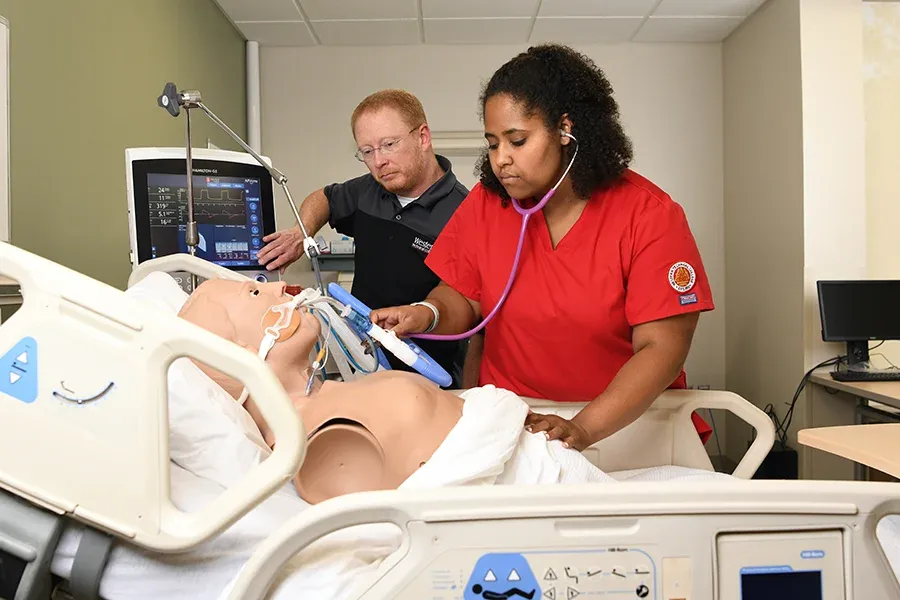
Student practicing techniques on artificial patient
Is New Program
Off

Occupational Therapy Assistant

Remote video URL
105141
AAS
65.00

Are you interested in a career that makes a real difference in people's lives? Consider enrolling in our associate degree program to become a Certified Occupational Therapy Assistant (COTA), or to explore other exciting job opportunities in related fields. As a COTA, you'll have the chance to work closely under the guidance of an occupational therapist. Your role? To help individuals overcome challenges in their daily lives using engaging, goal-oriented activities. This could mean assisting people in mastering everyday living skills, enjoying leisure and play, or developing work skills.

But that's not all. As a COTA, you'll find yourself in a variety of settings, each offering unique experiences. You might work in a hospital, a school, a geriatric center, or even in people's homes and communities. Each environment offers a chance to positively impact lives, helping people to not just live, but to thrive. If this sounds like the path for you, our program is the perfect starting point to launch your rewarding career in occupational therapy.

General Education classes are offered in a variety of learning formats. A few OTA program-specific courses are offered online or blended, with the majority taught face-to-face at the Health Science Center, a shared facility located a few blocks from the La Crosse main campus. Check our maps page for specific location information.

For more information about Western’s Occupational Therapy Assistant program’s student outcomes, please consult the National Board for Certification in Occupational Therapy (NBCOT) website by clicking here.

View the Occupational Therapy Assistant program’s required disclosure on professional licensure (PDF), program graduation rates (PDF), and estimated program costs (PDF).

Students from Western’s Occupational Therapy Assistant program are eligible to take the National Board for Certification in Occupational Therapy (NBCOT) certification exam upon graduation. A felony conviction may affect a graduate's ability to sit for the NBCOT exam.

$10,908
Location
La Crosse

Previous education and work experience could qualify for Credit for Prior Learning, saving you time and money. Find out more about what may apply to this program.

Graduates - 11
Graduates Responding - 8
Employed In Related Occupation - 5
Employed In Non-related Occupations - 3
Seeking Employment - 0
Continuing Education - 0
Not In Labor Market - 0
Graduates Responding Employed Part Time in Related Occupation - 2
PT Average Hours per Week - 31
PT Median Hourly Wage - $29.88
PT Hourly Wage Range - $25.00 - $34.75
Graduates Responding Employed Full Time in Related Occupation - 3
FT Average Hours per Week - 37
FT Median Hourly Wage - $25.50
FT Hourly Wage Range - $25.00 - $30.00
Related Occupations - Certified Occupational Therapy Assistant (COTA)

Additional Requirements

  • High School or GED/HSED Transcript
  • To enroll in the Occupational Therapy Assistant program, first apply for admission to the College, then read and sign the Technical Standards and complete a background check. You can find links to these documents below.

Most of Western’s classes require the use of a personal computer or laptop, standard software, internet access, and other technology-related items.

If you do not have a personal computer or laptop, or if the one you have does not meet the following criteria, resources may be available. Submit a Student Resource Request using our online form.

Computer/Laptop Hardware

  • Smartphones are not recommended for completing assignments.
  • Chromebooks are not recommended due to issues with installing software that is needed for classes, such as Office 365.
  • Web camera with microphone (usually built into newer laptops or can be purchased separately) is necessary for online participation.

Software Needs

For detailed specifications, please review Technology and Software Recommendations for Most Classes on Western’s IT Knowledgebase.

Campus Resources

Need Assistance?

  • Contact the Learning Commons! The staff are happy to answer questions, provide individualized assistance, and direct you to other supports as needed.

Occupational Therapy Assistant

The program is accredited by the Accreditation Council for Occupational Therapy Education (ACOTE) of the American Occupational Therapy Association (AOTA), 7501 Wisconsin Avenue, Suite 510E Bethesda, MD 20814, phone 301-652-6611, or www.acoteonline.org.

ACOTE and NBCOT Reporting Requirements (PDF)

  • Practice within the distinct role and responsibility of the occupational therapy assistant
  • Serve a diverse population in a variety of systems that are consistent with entry level practice
  • Seek out learning opportunities to keep current with best practice
  • Apply occupational therapy principles and intervention tools to achieve expected outcomes
  • Demonstrate professional behaviors, ethical standards, values, and attitudes of the occupational therapy profession
  • Advocate for the profession, services, and consumers

Our Health and Public Safety programs are required to report additional information to prospective students, including certification exams, licensure, program completion rates, etc. You can find this information in the documents below:

Program Contact

Stephanie Andersen
Program Chair, Occupational Therapy Assistant
608-789-6132
AndersenS@westerntc.edu

This program is part of a career pathway, a laddered approach to career education. It allows you to earn employer-recognized credentials that lead to job and career advancement.
1
icon - in-person learning format
In-Person
icon - calendar
Summer
Start

Other Programs in This Area of Interest

Western offers a wide range of Health Sciences programs designed to fit your interests and career aspirations and prepare you for a variety of healthcare settings.
 

Student practicing occupational therapy on test patient
Is New Program
Off

Medical Lab Technician

Remote video URL
105131
AAS
65.00

Are you intrigued by biology and chemistry, with a passion for healthcare? Consider turning your interests into a fulfilling career as a medical laboratory technician. In this role, you play a crucial part in the healthcare system by conducting clinical laboratory tests that aid in the detection, diagnosis, and treatment of diseases and medical conditions.

Your responsibilities as a medical laboratory technician encompass a wide range of analyses, spanning from waived and point-of-care testing to complex diagnostic procedures covering major medical laboratory areas such as hematology, clinical chemistry, immunohematology, microbiology, serology/immunology, coagulation, molecular diagnostics, and other emerging technologies. As the primary analyst, you'll make specimen-oriented decisions and hold vital responsibilities in information processing, training, and quality control monitoring wherever medical laboratory testing is conducted.

Graduates are eligible to take a national certification exam offered by the American Society for Clinical Pathologists' (ASCP) Board of Certification (BOC). It's important to note that passing this exam is not a graduation requirement, but it can significantly enhance your credentials and career prospects in the field of medical laboratory technology.

Program-specific courses are held in the Health Science Center, a shared facility located a few blocks from the La Crosse main campus. Check our maps page for specific location information.

To view the Medical Lab Technician program’s required disclosure on professional licensure, please click here (PDF).

NAACLS Outcome Measures
National Accrediting Agency for Clinical Laboratory Sciences
5600 N. River Rd., Suite 720, Rosemont, IL 60018-5119
Phone: 773-714-8880

For information about Western’s Medical Lab Technician program’s student outcomes, please click here (PDF).

$10,908
Location
La Crosse

Previous education and work experience could qualify for Credit for Prior Learning, saving you time and money. Find out more about what may apply to this program.

Graduates - 21
Graduates Responding - 10
Employed In Related Occupation - 9
Employed In Non-related Occupations - 0
Seeking Employment - 0
Continuing Education - 1
Not In Labor Market - 0
Graduates Responding Employed Part Time in Related Occupation - 1
PT Average Hours per Week - 32
PT Median Hourly Wage - $28.48
PT Hourly Wage Range - $28.48
Graduates Responding Employed Full Time in Related Occupation - 7
FT Average Hours per Week - 38
FT Median Hourly Wage - $27.80
FT Hourly Wage Range - $23.76 - $28.51
Related Occupations - Medical Lab Technician, Medical Lab Technologist, Medical Laboratory Scientist

Additional Requirements

  • High School or GED/HSED Transcript
  • To enroll in the Medical Laboratory Technician program, first apply for admission to the College, then electronically sign the program's Technical Standards and complete a background check.  You can find links to these documents below.  In addition, you must complete Developmental (or College) Biology and Developmental (or College) Chemistry with a grade of “C” or better.

Most of Western’s classes require the use of a personal computer or laptop, standard software, internet access, and other technology-related items.

If you do not have a personal computer or laptop, or if the one you have does not meet the following criteria, resources may be available. Submit a Student Resource Request using our online form.

Computer/Laptop Hardware

  • Smartphones are not recommended for completing assignments.
  • Chromebooks are not recommended due to issues with installing software that is needed for classes, such as Office 365.
  • Web camera with microphone (usually built into newer laptops or can be purchased separately) is necessary for online participation.

Software Needs

For detailed specifications, please review Technology and Software Recommendations for Most Classes on Western’s IT Knowledgebase.

Campus Resources

Need Assistance?

  • Contact the Learning Commons! The staff are happy to answer questions, provide individualized assistance, and direct you to other supports as needed.

Medical Lab Technician (MLT)

Clinical Laboratory Technician

Phlebotomist

This program has been awarded continuing accreditation by the National Accrediting Agency for Clinical Laboratory Sciences, 5600 N. River Rd., Suite 720, Rosemont, IL 60018-5119, phone 773-714-8880.

NAACLS Outcome Measures (PDF)

  • Practice laboratory safety and regulatory compliance
  • Collect and process biological specimens
  • Monitor and evaluate quality control in the laboratory
  • Apply modern clinical methodologies including problem solving and troubleshooting according to predetermined criteria
  • Correlate laboratory results to diagnosis of clinical conditions and/or diseases
  • Perform information processing in the clinical laboratory
  • Model professional behaviors, ethics, and appearance

Our Health and Public Safety programs are required to report additional information to prospective students, including certification exams, licensure, program completion rates, etc. You can find this information in the documents below:

Program Contact

Karen Christenson
Program Chair, Medical Laboratory Technician
608-789-4740
ChristensonK@westerntc.edu

This program is part of a career pathway, a laddered approach to career education. It allows you to earn employer-recognized credentials that lead to job and career advancement.
1
icon - in-person learning format
In-Person
icon - calendar
Fall
Start

Other Programs in This Area of Interest

Western offers a wide range of Health Sciences programs designed to fit your interests and career aspirations and prepare you for a variety of healthcare settings.

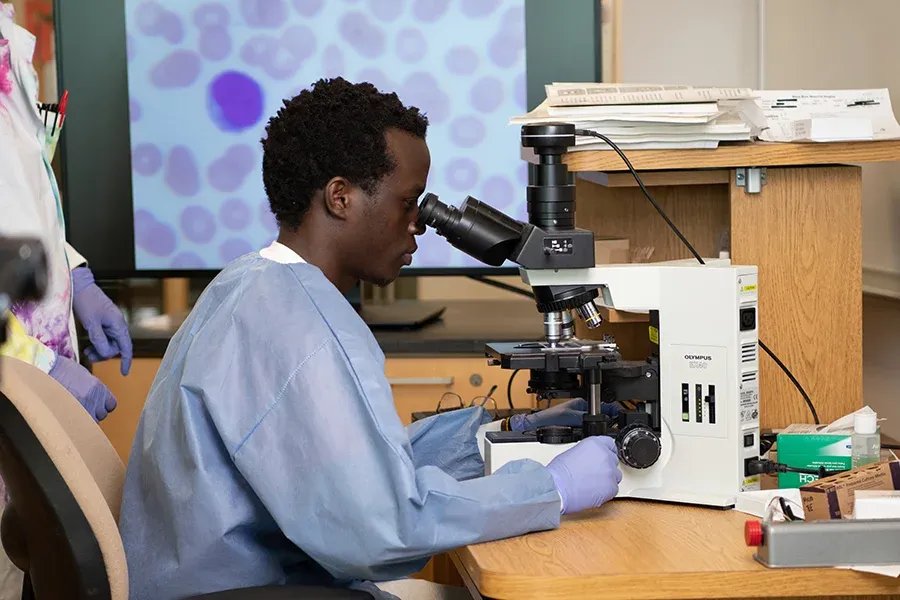
Student looking into microscope in classroom
Is New Program
Off

Surgical Technology

Remote video URL
105121
AAS
62.00

The operating room is a demanding and often stressful environment, and it takes a collaborative effort to ensure its smooth operation. If you thrive under pressure and can remain calm in challenging situations, you may find your calling as a surgical technologist. In this critical role, you will be an integral part of the surgical team, responsible for ensuring that equipment functions correctly, maintaining a sterile and safe environment, and ensuring the patient's comfort. Surgical procedures can vary from invasive to minimally invasive, diagnostic, or therapeutic, and you will gain experience in all these areas. Your duties will encompass both pre- and post-operative care, making you an indispensable member of the healthcare team.

Success in an operating room demands focus, dedication, and exceptional multitasking abilities. Before starting the program, all candidates will have the opportunity to gain insight through job shadowing experiences and witness surgeries in progress.

While some general studies courses are available online, with distance learning options at our regional locations, many of our program's core courses are taught face-to-face at the La Crosse Campus. These courses will consist of a combination of lectures, labs, and clinical rotations as you progress through the program.

You will be required to take a national certification exam as a final step before beginning employment as a surgical technologist. This certification ensures that you are well-prepared to excel in this vital healthcare role.

To view the Surgical Technology program’s required disclosure on professional licensure, please click here (PDF).

$10,405
Location
La Crosse

Previous education and work experience could qualify for Credit for Prior Learning, saving you time and money. Find out more about what may apply to this program.

Graduates - 26
Graduates Responding - 13
Employed In Related Occupation - 11
Employed In Non-related Occupations - 1
Seeking Employment - 0
Continuing Education - 1
Not In Labor Market - 0
Graduates Responding Employed Part Time in Related Occupation - 2
PT Average Hours per Week - 32
PT Median Hourly Wage - $26.28
PT Hourly Wage Range - $26.28
PT Median Annual Salary - $52,000
Graduates Responding Employed Full Time in Related Occupation - 9
FT Average Hours per Week - 38
FT Median Hourly Wage - $26.81
FT Hourly Wage Range - $24.00 - $34.50
Related Occupations - Certified Surgical Technologis, Surgical Technician

Additional Requirements

  • High School or GED/HSED Transcript
  • To enroll in the Surgical Technology program, first apply for admission to the College, then electronically sign the program's Technical Standards and complete a background check.  You can find links to these documents below.  In addition, you must complete the program prerequisite of General Anatomy and Physiology 10806177 with a grade of “C” or better. Please see the details below.

Most of Western’s classes require the use of a personal computer or laptop, standard software, internet access, and other technology-related items.

If you do not have a personal computer or laptop, or if the one you have does not meet the following criteria, resources may be available. Submit a Student Resource Request using our online form.

Computer/Laptop Hardware

  • Smartphones are not recommended for completing assignments.
  • Chromebooks are not recommended due to issues with installing software that is needed for classes, such as Office 365.
  • Web camera with microphone (usually built into newer laptops or can be purchased separately) is necessary for online participation.

Software Needs

For detailed specifications, please review Technology and Software Recommendations for Most Classes on Western’s IT Knowledgebase.

Campus Resources

Need Assistance?

  • Contact the Learning Commons! The staff are happy to answer questions, provide individualized assistance, and direct you to other supports as needed.

Surgical Technologist

Surgical Technician

Certified Surgical Technologist

Western Technical College's Surgical Technology program is accredited by the Commission on Accreditation of Allied Health Education Programs (CAAHEP) in collaboration with the Accreditation Review Council on Education in Surgical Technology and Surgical Assisting (ARC/STSA).

CAAHEP Contact Information

9355 – 113th St. N. #7709
Seminole, FL 33775
727-210-2350
www.caahep.org

ARC/STSA Contact Information

19751 E. Mainstreet, Suite 339
Parker, CO 80138
Phone: 303-694-9262
Fax: 303-741-3655
Email: info@arcstsa.org 

  • Apply healthcare and technological science principles to the perioperative environment
  • Maintain principles of sterile technique in the surgical environment
  • Provide a safe, efficient, and supportive environment for the patient
  • Prepare the patient, operating room and surgical team for the preoperative phase
  • Perform intraoperative case management in the scrub role
  • Perform postoperative case management
  • Function as an ethical, legal, and professional member of the healthcare team as determined by governing bodies

Our Health and Public Safety programs are required to report additional information to prospective students, including certification exams, licensure, program completion rates, etc. You can find this information in the documents below:

Program Contact

Steve Thompson
Program Chair, Surgical Technology
608-789-6095
ThompsonS@westerntc.edu 

This program is part of a career pathway, a laddered approach to career education. It allows you to earn employer-recognized credentials that lead to job and career advancement.
1
icon - in-person learning format
In-Person
icon - calendar
Summer
Start

Other Programs in This Area of Interest

Western offers a wide range of Health Sciences programs designed to fit your interests and career aspirations and prepare you for a variety of healthcare settings.

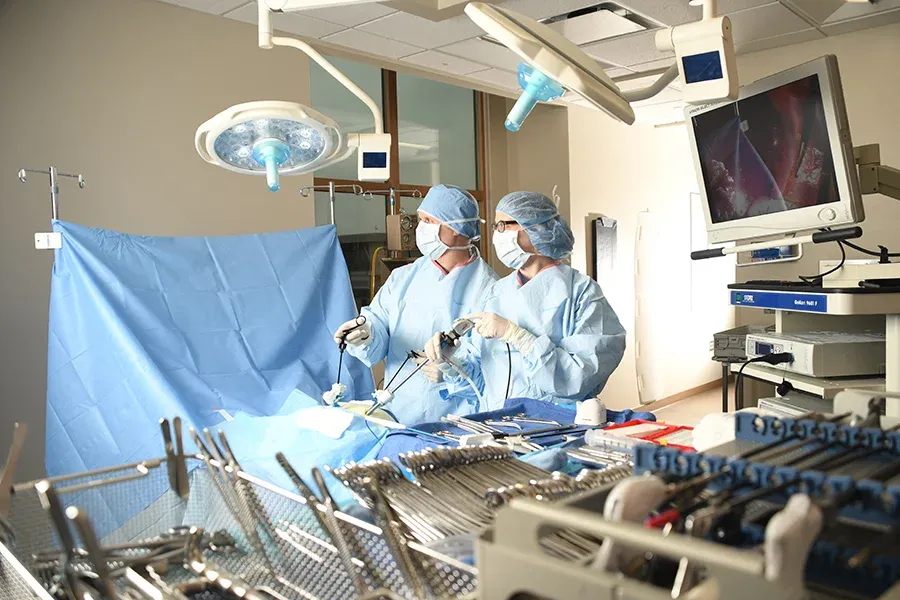
Girl practicing in operating room
Is New Program
Off

Criminal Justice

105045
AAS
62.00

Pursue a rewarding career in the field of criminal justice with the knowledge and skills acquired through this associate degree program. At Western, you'll gain the expertise needed to make meaningful contributions to community safety and well-being. Coursework spans a wide range of subject matter essential for entry-level criminal justice professionals, emphasizing the integration of theory and practical application.

With this degree, you'll have the opportunity to pursue specialized certifications in law enforcement and jail operations by enrolling in and successfully completing the respective academies offered at Western. Additionally, for those aiming to further their education, Western maintains transfer agreements with many local universities, creating a seamless pathway to attain a bachelor's degree in criminal justice or related fields.

Courses are taught by full-time educators, law enforcement officers, and supervisors recognized as leaders in law enforcement training.

To view the Criminal Justice program’s required disclosure on professional licensure, please click here (PDF).

$10,405
Location
Sparta

Previous education and work experience could qualify for Credit for Prior Learning, saving you time and money. Find out more about what may apply to this program.

Graduates - 60
Graduates Responding - 27
Employed In Related Occupation - 5
Employed In Non-related Occupations - 2
Seeking Employment - 1
Continuing Education - 18
Not In Labor Market - 1
Graduates Responding Employed Part Time in Related Occupation - 0
Graduates Responding Employed Full Time in Related Occupation - 3
FT Average Hours per Week - 42
FT Median Hourly Wage - $21.00
FT Hourly Wage Range - $21.00
FT Median Annual Salary - $47,500
Related Occupations - Adolescent Secure Unit Worker, Police Officer, Security Assistant

Additional Requirements

  • High School or GED/HSED Transcript is required.
  • To enroll in the Criminal Justice program, first apply for admission to the College, then electronically sign the program's Technical Standards and complete a background check. You can find links to these documents below. Please see the details below.

Most of Western’s classes require the use of a personal computer or laptop, standard software, internet access, and other technology-related items.

If you do not have a personal computer or laptop, or if the one you have does not meet the following criteria, resources may be available. Submit a Student Resource Request using our online form.

Computer/Laptop Hardware

  • Smartphones are not recommended for completing assignments.
  • Chromebooks are not recommended due to issues with installing software that is needed for classes, such as Office 365.
  • Web camera with microphone (usually built into newer laptops or can be purchased separately) is necessary for online participation.

Software Needs

For detailed specifications, please review Technology and Software Recommendations for Most Classes on Western’s IT Knowledgebase.

Campus Resources

Need Assistance?

  • Contact the Learning Commons! The staff are happy to answer questions, provide individualized assistance, and direct you to other supports as needed.

Police Officer

Deputy Sheriff

Jailer

Security Officer

Law Enforcement Officer

State Patrol Officer

  • Illustrate the interrelationships of the three core components of the criminal justice system
  • Analyze situational responses
  • Apply communication skills as a criminal justice professional
  • Conduct investigations
  • Examine the professional code of ethics for a criminal justice practitioner
  • Explore personal wellness strategies for the criminal justice professions
  • Explain the role of criminal justice professionals in working with diverse populations

This program is part of a career pathway, a laddered approach to career education. It allows you to earn employer-recognized credentials that lead to job and career advancement.
1
icon - in-person learning format
In-Person
icon - calendar
Fall
Start

Other Programs in This Area of Interest

This Area of Interest is for those who want to learn to protect people, respond in emergency situations, and make a difference in the community.

An instructor lectures to a group of students about fingerprinting.
Is New Program
Off
Subscribe to In-Person